
What Is Air Entrainment in Concrete?
If you’re planning a new driveway in the Kansas City area, you’ve probably heard contractors mention “air entrainment in concrete” without much explanation. Air entrainment in concrete is the intentional introduction of billions of microscopic air bubbles into the mix during the batching process. These aren’t visible to the naked eye — they’re tiny, evenly distributed pockets typically ranging from 10 to 1,000 micrometers in diameter. In fact, air entrainment in concrete helps improve durability and resistance against harsh weather conditions.
According to the American Concrete Institute (ACI), air-entrained concrete is considered essential for any exterior application in climates that experience freezing temperatures. The ACI recommends a target of 6.0% air content for severe freeze-thaw exposure when using standard 3/4-inch aggregate — which is exactly what we specify at Gold’s Concrete Services for every outdoor pour in the Kansas City Northland.
Air entrainment in concrete is crucial in enhancing the longevity of your driveway. The microscopic air bubbles create a buffer that protects concrete from freeze-thaw damage.
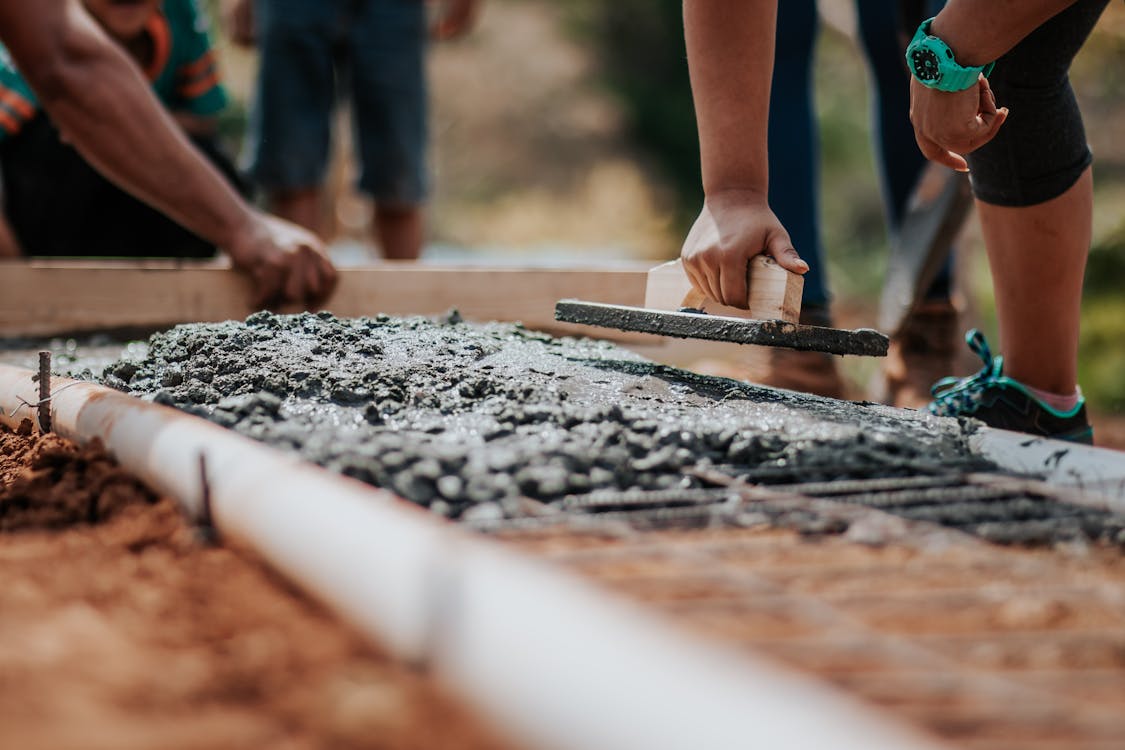
Think of these air bubbles as built-in shock absorbers for your driveway. Without them, your concrete is essentially a dense slab with no relief system for the stresses that Kansas City winters throw at it season after season.
Why Does Air Entrainment in Concrete Matter for Kansas City Driveways?
Kansas City sits right in the middle of some of the most punishing freeze-thaw territory in the country. Our area experiences an average of 90 or more freeze-thaw cycles every winter, according to regional climate data. That’s 90 times water inside your concrete freezes, expands, and thaws again — each cycle chipping away at the material from the inside out.
Understanding how air entrainment in concrete works can help you make informed decisions for your home. The incorporation of air bubbles into the mix is a key factor in maintaining your driveway’s integrity.
Without proper air entrainment in concrete, your driveway may suffer significant damage over time, leading to costly repairs.
Here’s how the damage happens without proper air entrainment:
- Moisture seeps into the concrete’s natural pore structure through rain, snow, and ice melt
- When temperatures drop below 32°F, that water freezes and expands by approximately 9%
- The expansion creates intense internal pressure with nowhere to go
- Micro-cracks form inside the concrete as the material can’t absorb the force
- More water enters through those new cracks, and the cycle repeats with worse results each time
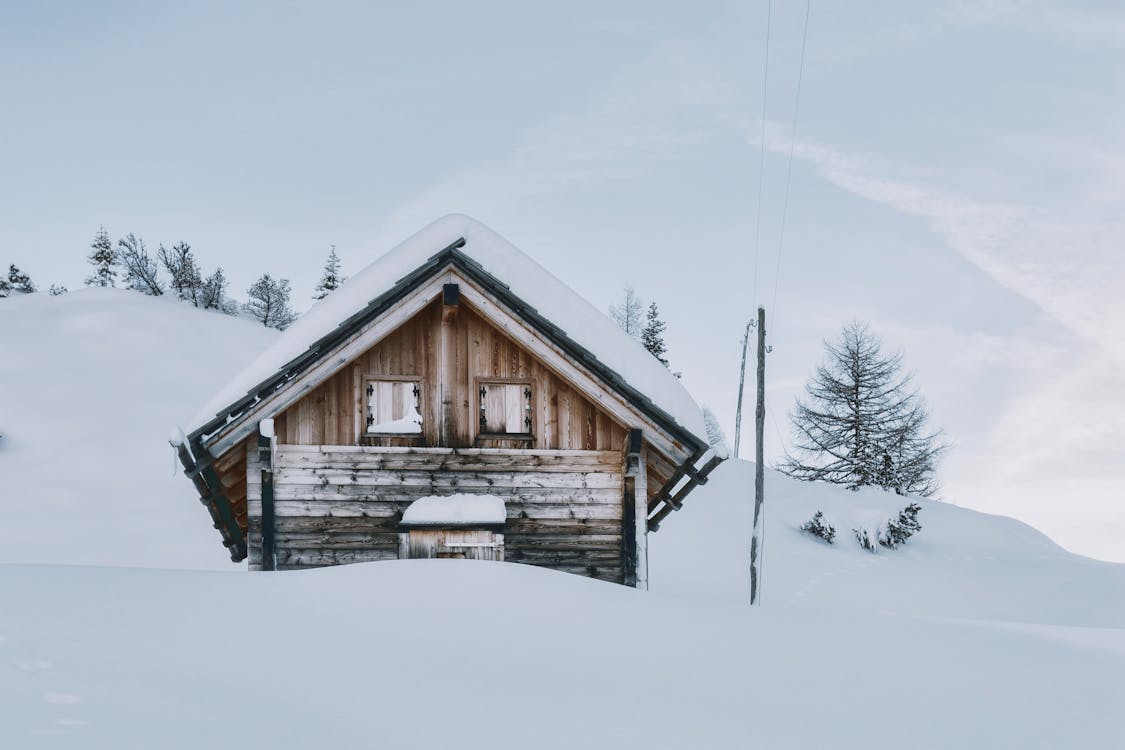
Over just a few Kansas City winters, this destructive cycle causes surface scaling, spalling, and eventually major structural damage. An unsealed, under-specified concrete driveway in our climate can start showing visible deterioration in as few as 5 to 7 years.
How Do Air Bubbles Protect Your Driveway?
The microscopic air bubbles created through air entrainment act like millions of tiny pressure relief valves distributed evenly throughout the concrete. When water freezes and expands inside the material, it has somewhere to go — into these air voids — instead of pushing outward against the surrounding concrete matrix.
A peer-reviewed study published by the National Institutes of Health (NIH) found that properly air-entrained concrete retained between 93.9% and 97.35% of its dynamic elastic modulus after 300 freeze-thaw cycles. That’s remarkable durability — meaning the concrete maintained nearly all of its structural integrity even after years of freeze-thaw punishment.
Without proper air entrainment in concrete, those same freeze-thaw cycles can reduce strength by 50% or more within just a few seasons. The difference between a driveway that lasts 7 years and one that lasts 30+ years often comes down to whether the contractor specified proper air entrainment in the mix design.
In summary, air entrainment in concrete is a vital aspect that should not be overlooked in any concrete installation project.
Why We Specify 6% Air Entrainment — Not More, Not Less
You might wonder why we don’t just pump in as much air as possible for maximum protection. The answer involves a careful balance between freeze-thaw resistance and compressive strength.
Research from the Portland Cement Association shows that for every 1% increase in air content above the design target, compressive strength decreases by approximately 3% to 5%. Too much air weakens the concrete. Too little leaves it vulnerable to freeze-thaw damage.
Homeowners in Kansas City should prioritize air entrainment in concrete when discussing specifications with their contractors.
At Gold’s Concrete Services, our 6% specification hits the sweet spot recommended by the ACI for severe exposure conditions with 3/4-inch aggregate. This gives our Kansas City Northland customers:
- Maximum freeze-thaw protection for our specific climate conditions
- Maintained strength when paired with our 4,000 PSI mix design
- Better workability during the pour, resulting in a smoother finished surface
- Reduced bleed water during curing, which means fewer surface imperfections
Most contractors in the Kansas City area use the bare minimum of 4% to 5% air entrainment — or sometimes skip it entirely to save on material costs. We’ve standardized on 6% because our 35 years of experience in the Northland has proven it’s the right number for our specific weather patterns.
Ensuring the right amount of air entrainment in concrete can dramatically extend the lifespan of your driveway.
It’s imperative to understand that the benefits of air entrainment in concrete go beyond just freeze-thaw resistance; they also contribute to the overall strength of your driveway.
5 Essential Benefits of Properly Air-Entrained Concrete
Air entrainment in concrete delivers benefits that go well beyond just surviving winter. Here are the five reasons every Kansas City homeowner should insist on it for their driveway project.
1. Superior Freeze-Thaw Resistance
This is the primary reason air entrainment exists. In climates like Kansas City’s — where temperatures can swing from 50°F to 15°F overnight during late fall and early spring — those microscopic bubbles prevent the destructive cycle of water expansion that cracks and scales concrete surfaces. A properly air-entrained driveway can handle decades of Kansas City winters without surface deterioration.
2. Extended Driveway Lifespan
A properly installed concrete driveway with correct air entrainment can last 25 to 30 years with normal maintenance, and often 40 or more years with excellent care. Compare that to under-specified concrete that may need full replacement in 10 to 15 years. The small upfront cost of proper air entrainment saves thousands in premature replacement expenses down the road.
3. Improved Workability and Finish Quality
Air-entrained concrete is easier to work with during the installation process. The microscopic bubbles act as tiny ball bearings within the mix, improving flowability and making it easier for our crews to achieve a smooth, uniform finish. This isn’t just about appearance — a better-finished surface sheds water more effectively and resists staining.
4. Reduced Surface Scaling and Spalling
Surface scaling — where the top layer of concrete peels or flakes away — is one of the most common complaints homeowners have about their driveways after a few winters. Air entrainment significantly reduces bleed water during the curing process, which creates a denser, more durable surface layer that resists scaling even when deicing salts are used.
5. Better Resistance to Deicing Chemicals
Kansas City homeowners commonly use rock salt and chemical deicers during winter months. These products can be brutal on concrete that isn’t properly protected. Air-entrained concrete handles exposure to deicing chemicals far better than standard mixes because the air void system reduces the hydraulic pressure caused by salt crystallization within the concrete pores.
To maximize the effectiveness of your driveway, ensure that air entrainment in concrete is properly included in the mix design.
What Happens When Contractors Skip Air Entrainment?
We’ve seen it too many times across the Kansas City Northland: a homeowner hires a contractor who either doesn’t understand air entrainment in concrete or deliberately cuts corners to save a few dollars. The results are predictable and expensive.
Without adequate air entrainment, exterior concrete in our climate typically shows problems within the first 2 to 3 winters:
A well-executed air entrainment in concrete strategy can significantly reduce the risk of freeze-thaw damage.
- Surface pitting and scaling — the top layer starts flaking off in patches
- Pop-outs — small pieces of aggregate break away from the surface
- Map cracking — networks of fine cracks spread across the surface like a spider web
- Structural cracking — deeper cracks that compromise the slab’s integrity
- Complete surface failure — widespread deterioration requiring full replacement
The irony? The “savings” from skipping proper air entrainment typically amount to less than $50 on an average driveway pour. But the cost of tearing out and replacing a failed driveway runs $5,000 or more. That’s a terrible return on a shortcut.
How Air Entrainment Fits Into Our Complete Driveway System
The technology behind air entrainment in concrete has evolved, providing homeowners with better options for durability.
At Gold’s Concrete Services, air entrainment is just one component of the quality system we’ve developed over 35 years of pouring driveways across Clay County, Platte County, and the greater Kansas City Northland area.
Our complete concrete driveway specification includes:
- 6% air entrainment for maximum freeze-thaw protection
- 4,000 PSI concrete mix without fly ash for optimal strength and durability
- Fiber mesh reinforcement for additional crack resistance throughout the slab
- Rebar on 30-inch centers elevated to the center of the slab for structural support
- 2-inch compacted gravel sub-base for proper drainage and load distribution
- Hand-tooled control joints rather than saw cuts for cleaner crack control
- Professional-grade acrylic cure and seal to protect the finished surface
Each of these elements works together. The air entrainment protects against freeze-thaw damage. The fiber mesh and rebar handle structural loads. The gravel base ensures proper drainage so water doesn’t pool beneath the slab. And the cure and seal application protects the surface from day one. Learn more about our approach in our guide to getting a new concrete driveway in Kansas City.
How to Verify Your Contractor Uses Proper Air Entrainment
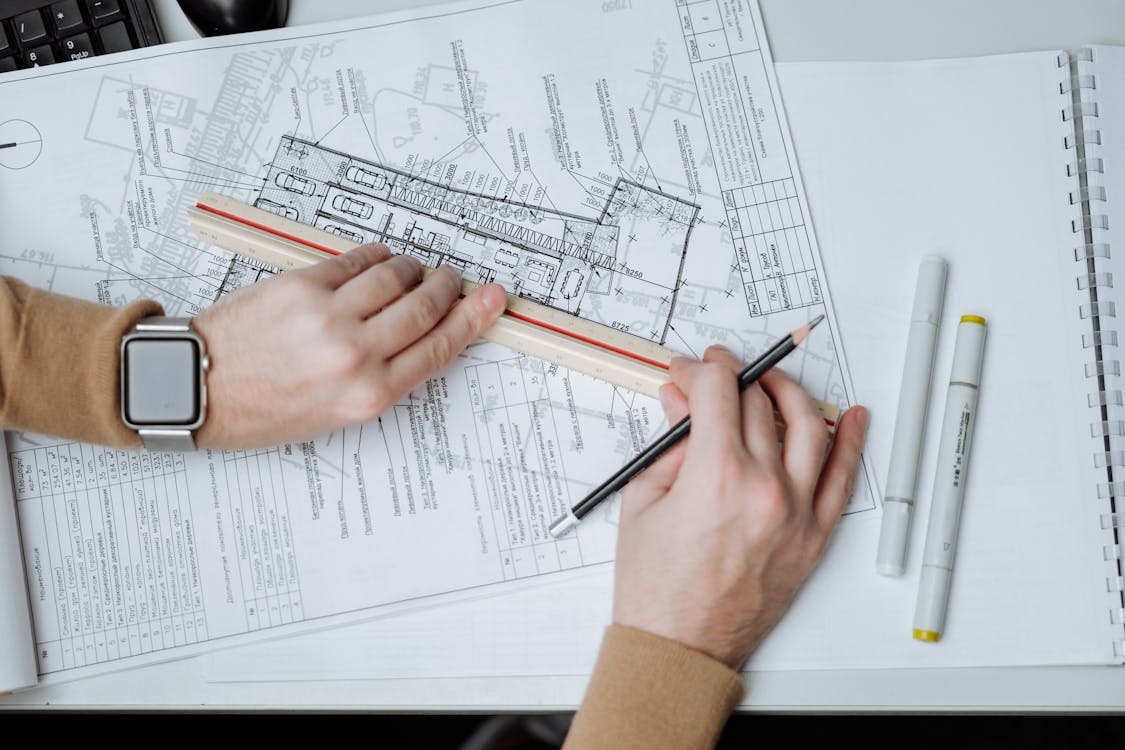
If you’re getting estimates for a concrete project in the Kansas City area, don’t be afraid to ask pointed questions about the mix design. A reputable concrete contractor will welcome these questions because they demonstrate you’re an informed buyer.
Discussing air entrainment in concrete with your contractor can ensure you get the best results for your driveway.
Here are the specific questions to ask:
- “What percentage of air entrainment do you specify?” — Look for 5% to 6% for the Kansas City area. Anything below 5% is cutting corners.
- “Do you verify air content on-site during the pour?” — Professional contractors should test the concrete as it arrives to confirm it meets specifications.
- “What PSI rating does your concrete mix carry?” — For driveways, you want at least 4,000 PSI.
- “Is air entrainment included in your standard price or an add-on?” — It should be standard for any exterior concrete work, not an upcharge.
If a contractor can’t answer these questions confidently, or if they try to talk you out of proper air entrainment to give you a lower bid, consider that a red flag. For more questions to ask before hiring, check out our guide to choosing a concrete contractor.
Air Entrainment for Other Outdoor Concrete Projects
While we’ve focused primarily on driveways, air entrainment in concrete is equally important for every exterior concrete application in the Kansas City Northland. The same freeze-thaw forces that damage driveways affect all outdoor concrete surfaces.
For all outdoor projects, incorporating air entrainment in concrete is essential for durability.
We specify 6% air entrainment for all of our exterior projects, including:
- Concrete patios — especially important for entertaintment areas that see foot traffic, furniture, and exposure to rain and snow
- Sidewalks and walkways — high-traffic surfaces that need to resist both freeze-thaw damage and deicing chemical exposure
- Concrete steps and stairs — critical safety areas where surface scaling could create trip hazards
- Replacement concrete — when we tear out and replace failed concrete, we make sure the new pour won’t repeat the same mistakes
Interior applications like garage floors don’t always require the same level of air entrainment since they’re protected from direct weather exposure, though we still recommend it for garage floors that get wet from snow melt dripping off vehicles during winter.
The Real Cost of Cutting Corners on Air Entrainment
We understand that homeowners compare bids, and a lower number always catches your eye. But here’s what those budget quotes often leave out: the cost of failure.
By emphasizing the importance of air entrainment in concrete, you can make a more informed decision regarding your concrete investment.
A typical driveway in the Kansas City Northland costs between $4,000 and $8,000 depending on size, design, and site conditions. The additional cost of specifying proper 6% air entrainment versus the bare minimum is typically less than $50 for the entire project. That’s less than 1% of the total project cost.
Now consider the alternative. Without proper air entrainment in concrete, you might save $50 today but face a $5,000 to $8,000 replacement bill within 10 to 15 years. When you hire Gold’s Concrete Services, you’re investing in specifications that protect your driveway for 25 to 30 years or longer. That math works out in your favor every single time.
Investing in air entrainment in concrete is investing in the longevity and performance of your driveway.
Want to see the difference quality specifications make? Browse our project gallery to see driveways we’ve poured across the Kansas City Northland that still look great years after installation.
Frequently Asked Questions About Air Entrainment in Concrete
What is the recommended air entrainment percentage for Kansas City?
The American Concrete Institute recommends 6.0% air content for exterior concrete in severe freeze-thaw exposure with standard 3/4-inch aggregate. At Gold’s Concrete Services, we follow this recommendation for all outdoor pours in the Kansas City Northland to provide maximum protection against our volatile winter weather patterns.
Does air entrainment make concrete weaker?
There’s a trade-off, but it’s manageable. Research shows that each 1% increase in air content reduces compressive strength by roughly 3% to 5%. However, when balanced with a proper mix design — like our 4,000 PSI specification — the concrete maintains more than enough strength for residential driveways while gaining critical freeze-thaw protection.
Can I add air entrainment to existing concrete?
No. Air entrainment in concrete must be introduced during the mixing and batching process. It can’t be added after the fact to an existing slab. If your current driveway is showing freeze-thaw damage, the best option is a professional concrete removal and replacement with a properly specified mix.
How can I tell if my contractor used air entrainment?
Professional contractors test air content on-site using a pressure meter during the pour. You can ask to see the test results. After the concrete cures, a trained eye can sometimes identify properly air-entrained concrete by its slightly smoother finish and more uniform appearance compared to non-air-entrained mixes.
Does air entrainment affect the appearance of my driveway?
Properly air-entrained concrete actually tends to look better than standard mixes. The improved workability allows for a smoother, more uniform finish, and the reduced bleed water during curing means fewer surface blemishes. You won’t see the air bubbles — they’re far too small to be visible to the naked eye.
Is air entrainment necessary for garage floors?
Garage floors are somewhat protected from direct weather exposure, but they still experience temperature swings and moisture from wet vehicles during winter. We recommend air entrainment for garage floors in the Kansas City area, especially for unheated garages or garages where cars bring in snow and road salt.
How much does air entrainment add to the cost of a concrete project?
Very little. The additional cost of specifying 6% air entrainment in concrete versus the minimum is typically less than $50 for an average residential driveway. Considering it can double the effective lifespan of your driveway, it’s one of the best investments you can make in a concrete project.
Protect Your Investment With the Right Specifications
Make sure your contractor understands the significance of air entrainment in concrete for all outdoor applications.
Ultimately, air entrainment in concrete is a necessity for achieving high-quality, durable results.
Air entrainment in concrete isn’t a luxury or an optional upgrade — it’s a fundamental requirement for any exterior concrete work in the Kansas City Northland. Our 6% air entrainment specification, combined with our complete quality system of fiber mesh, rebar, 4,000 PSI mix design, and professional finishing techniques, is why Gold’s Concrete driveways stand up to decades of Missouri winters.
We’ve been serving the Kansas City Northland since 1989, and our commitment to proper specifications is a big part of why we’re still here 35 years later. When you choose Gold’s Concrete Services, you’re choosing a contractor who won’t cut corners on the details that matter most for your driveway’s long-term performance.
Air entrainment in concrete serves as a protective measure that pays off in the long run.
Ready to discuss your concrete project? Request a free quote or call us at (816) 300-1563. We’re happy to walk you through our specifications and explain exactly how air entrainment and our other quality measures will protect your investment for years to come.