
What Makes Durable Concrete Driveways Last 30+ Years?
Most durable concrete driveways in the Kansas City area should last between 25 and 50 years, according to industry data from the Concrete Network. But here’s what most homeowners don’t realize — that massive lifespan range depends almost entirely on the specifications your contractor chooses on pour day. The difference between a driveway that crumbles after 8 years and one that looks great after 30 isn’t luck. It’s science.
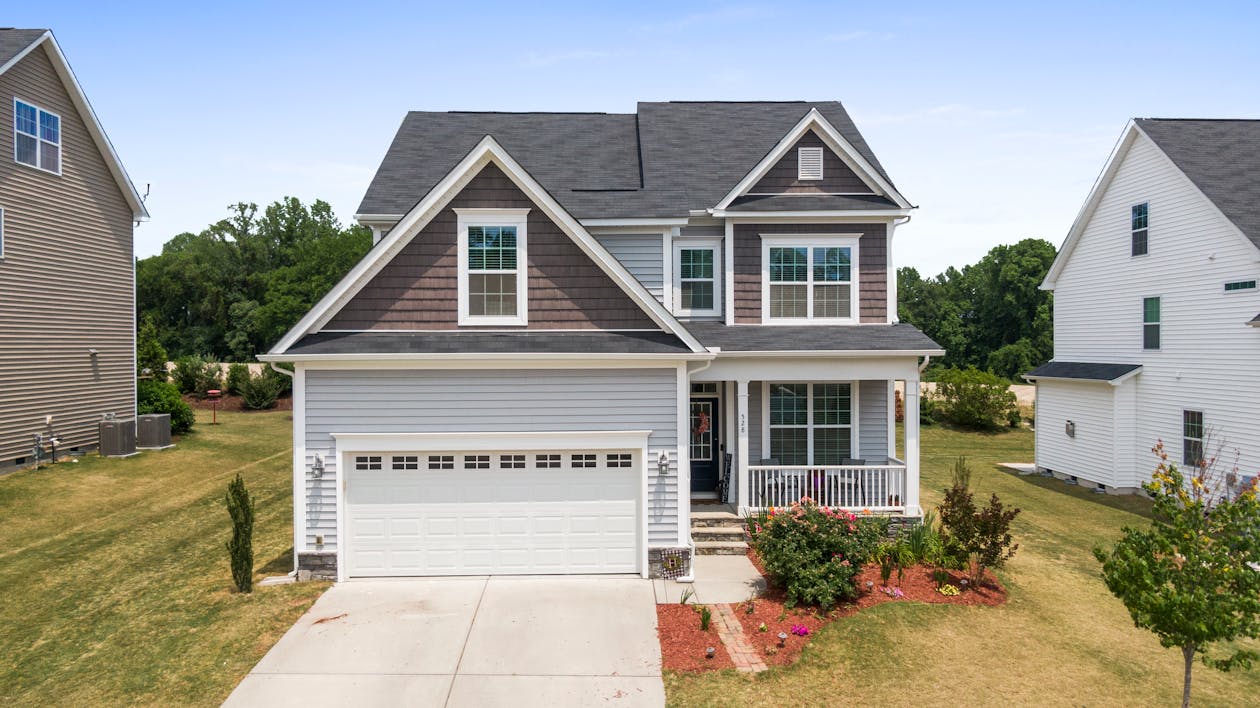
At Gold’s Concrete Services, we’ve been pouring driveways across the Kansas City Northland since 1989. After 35+ years, we’ve learned that every specification matters. The right PSI rating, proper air entrainment, fiber reinforcement, a solid sub-base, and correctly placed control joints all work together as a system. Skip one, and the whole thing can fall apart.
This article breaks down the real science behind what makes a concrete driveway survive decades of Kansas City weather. We’ll cover exactly what we specify and why — so you can hold any contractor accountable to the standards your investment deserves.
Why Kansas City’s Climate Is Brutal on Durable Concrete Driveways
Kansas City averages 107 days per year at or below 32 degrees Fahrenheit, based on NOAA Climate Normals (1991-2020). That’s more than a third of the year where your driveway faces potential freeze-thaw damage. And it’s not just the cold — it’s the swings. Our temperatures can range from a winter low of 24 degrees to a summer high of 88 degrees, creating constant expansion and contraction stress.
According to research from the University of Michigan’s Great Lakes Integrated Sciences and Assessments program, the Midwest averages 42 freeze-thaw cycles per year, with some years hitting 60 cycles. Each cycle is a punch to your concrete. Water seeps into tiny pores, freezes, expands by roughly 9%, and cracks the material from the inside out.
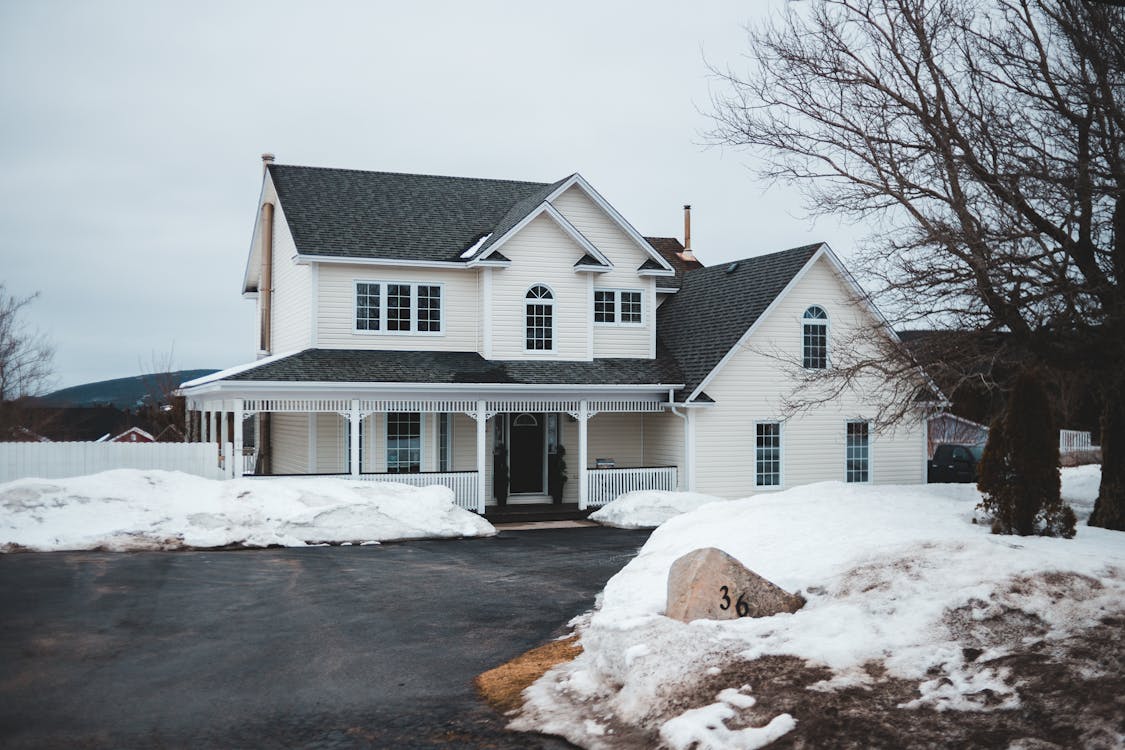
This is why cookie-cutter concrete specs from warmer climates simply don’t work here. What performs fine in Dallas or Atlanta will deteriorate fast in Kansas City. Building truly durable concrete driveways in this region requires a contractor who understands our specific climate challenges and builds the concrete mix accordingly.
How Does Air Entrainment Protect Durable Concrete Driveways?
Air entrainment is the process of introducing billions of microscopic air bubbles throughout the concrete mix. These tiny bubbles — smaller than a pencil tip — act as pressure relief valves when water inside the concrete freezes and expands. A peer-reviewed study published through the National Institutes of Health found that air-entrained concrete retains 94-99% of its structural integrity after 100 freeze-thaw cycles, compared to just 64% for non-air-entrained concrete.
Think about those numbers for a moment. After 100 freeze-thaw cycles, which Kansas City can deliver in just two to three winters, non-air-entrained concrete has already lost more than a third of its strength. That’s when you start seeing scaling, spalling, and surface pitting that gets worse every year.
At Gold’s Concrete, we specify 6% air entrainment in every exterior pour. The Federal Highway Administration notes that most state departments of transportation require 5-7% air content for freeze-thaw resistance. We target 6% because our 35 years of experience in the Northland has shown it provides the best balance of durability and strength for residential applications.
For a deeper look at why we chose 6% specifically, check out our article on air entrainment in concrete.
What PSI Rating Do Durable Concrete Driveways Actually Need?
PSI stands for pounds per square inch, and it measures how much compressive force concrete can handle before it fails. According to industry standards from the Portland Cement Association, residential driveways should be poured at a minimum of 3,000-4,000 PSI. For areas exposed to frequent freeze-thaw cycles or heavy vehicle traffic, 4,000-4,500 PSI is recommended.
We use 4,000 PSI concrete for every driveway we pour. Here’s why that matters: increasing from a standard 3,000 PSI mix to 4,000 PSI doesn’t just add a bit of strength. It significantly improves the concrete’s density and resistance to water penetration, which directly affects how well it handles our winters.
One specification we’re particular about is avoiding fly ash in our mix. While fly ash is commonly used as a cement replacement to reduce costs, it can slow early strength gain and create finishing challenges. Our 4,000 PSI mix without fly ash gives us the workability we need during installation and the long-term durability your driveway requires.
It’s worth noting that increasing thickness from 4 inches to 5 inches adds about 20% to cost but boosts load-carrying capacity by nearly 50%. For most residential driveways, our standard 4-inch pour at 4,000 PSI provides excellent performance. But for driveways that will see heavy trucks or RVs, we’ll recommend going thicker.
How Does Fiber Mesh Reinforcement Make Driveways More Durable?
Fiber mesh reinforcement is one of the most effective upgrades you can add to a concrete driveway. Research published through the National Institutes of Health shows that polypropylene fiber reinforcement at just 0.1% volume reduces crack width by 84% and delays initial cracking by 62%. Those are substantial numbers that translate directly to a longer-lasting driveway.
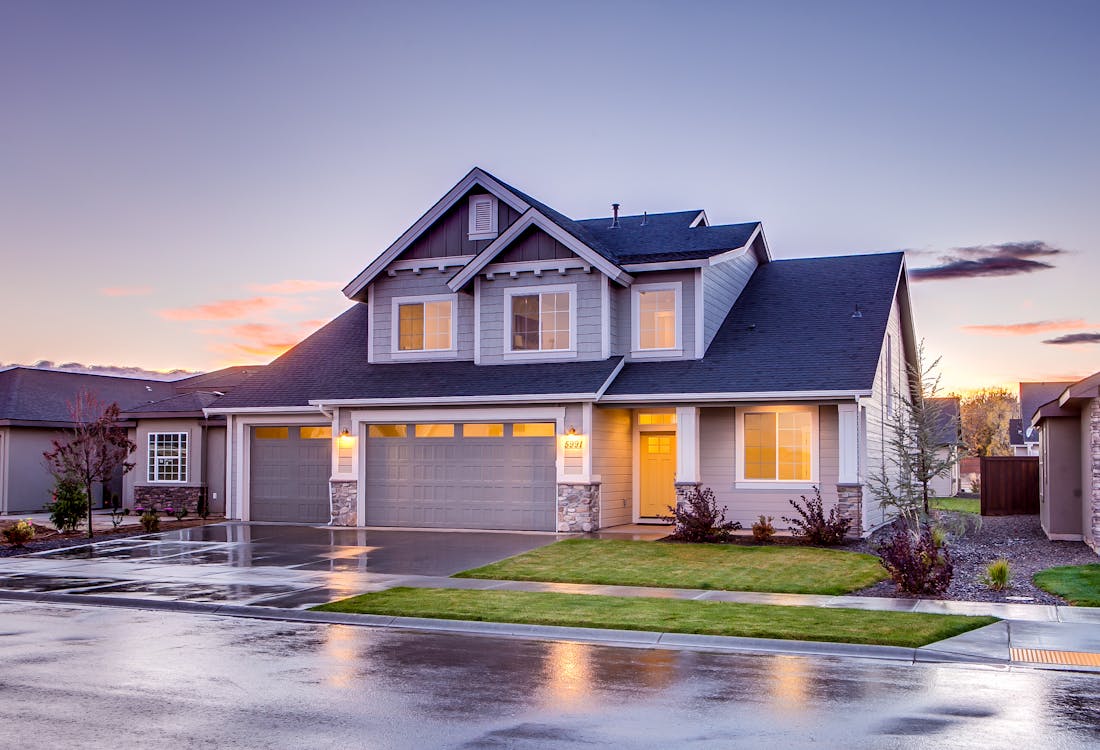
We include fiber mesh in every pour as a standard specification. The fibers are mixed directly into the concrete, so they’re distributed throughout the entire slab. Unlike traditional wire mesh that sits in one plane, fiber mesh provides three-dimensional reinforcement that helps resist cracking in every direction.
But fiber mesh is just one layer of our reinforcement system. We also install rebar on 30-inch centers, elevated to the center of the slab. This is the same reinforcement approach we use for concrete steps and stairs where structural integrity is critical. This combination gives you both the micro-crack resistance of fiber mesh and the structural strength of steel reinforcement. It’s a belt-and-suspenders approach that we’ve found delivers the best long-term results.
Want more details on how fiber reinforcement works? Read our complete guide on adding fiber mesh to concrete.
Why Does the Sub-Base Matter as Much as the Concrete Itself?
Your concrete is only as good as what’s underneath it. According to ACI 302.1R guidelines, the sub-base should consist of compactible granular fill with 10-30% fines and absolutely no clay, silt, or organic materials. The sub-base system should be at least 4 inches thick for residential applications, with 2-8 inches of crushed rock recommended for expansive soils.
In the Kansas City area, soil conditions vary significantly across the Northland. Whether we’re pouring patios, sidewalks, or driveways, sub-base preparation is always our first priority. Clay-heavy soils expand when wet and shrink when dry, creating movement underneath your slab that causes cracking no matter how strong your concrete is. That’s why proper sub-base preparation isn’t optional — it’s essential.
At Gold’s Concrete, we install a minimum 2-inch compacted gravel sub-base on every project. For sites with questionable soil, we’ll go deeper. This applies to every project, from garage floors to full driveway installations. We compact the gravel thoroughly before pouring to create a stable, well-draining foundation that prevents settlement and heaving. This step alone can add years to your driveway’s lifespan.
Poor sub-base preparation is one of the most common shortcuts we see from other contractors. It’s hidden underground, so homeowners never know it was skipped until cracks start appearing a few years later. Always ask your contractor what they’re putting underneath the concrete — it matters just as much as the mix itself.
How Do Control Joints Prevent Random Cracking?
Concrete is going to crack. That’s not a defect — it’s just the nature of the material. As concrete cures and dries, it shrinks slightly, creating internal stress. When that stress exceeds the concrete’s tensile strength, it cracks. The question isn’t whether your driveway will crack, but where.
Control joints are intentional grooves cut or tooled into the concrete surface that create weak points where cracks will form in a straight, predictable line rather than randomly zigzagging across your driveway. Industry standards recommend placing control joints at maximum 10-foot spacing for a 4-inch-thick slab, with joint depth equal to one-fourth the slab thickness.
We hand-tool our control joints rather than using a saw-cut method. Here’s why that matters: saw-cutting is done after the concrete has partially hardened, which means random cracks can form before the saw crew gets there. Hand-tooling happens during the finishing process while the concrete is still workable, giving us better control over joint placement and depth.
Properly placed control joints don’t just prevent ugly random cracks. They also help manage water drainage and make future repairs easier if a section ever does need attention. And if a full replacement is needed down the road, properly jointed sections make concrete removal and replacement more efficient. It’s one of those details that separates professional work from a quick-and-dirty pour.
What’s the Complete System for Building Durable Concrete Driveways?
Every specification we’ve discussed works as part of an integrated system. Air entrainment handles freeze-thaw protection. The 4,000 PSI mix provides density and compressive strength. Fiber mesh and rebar prevent cracking. The compacted sub-base ensures a stable foundation. And hand-tooled control joints direct any cracking to predetermined locations.
Here’s our complete specification sheet for every driveway we pour:
- 6% air entrainment for freeze-thaw protection
- 4,000 PSI concrete without fly ash for optimal strength and durability
- Fiber mesh reinforcement throughout the slab for micro-crack resistance
- Rebar on 30-inch centers elevated to the center of the slab for structural strength
- 2-inch compacted gravel sub-base (minimum) for proper drainage and support
- Hand-tooled control joints for controlled cracking patterns
- Professional-grade acrylic cure and seal applied after finishing
Remove any one of these elements, and you compromise the entire system. That’s why we don’t offer “basic” or “budget” packages that cut corners on specifications. Building durable concrete driveways means every project gets the same proven system we’ve perfected over three decades.
How Does Sealing and Curing Affect Driveway Longevity?
The Portland Cement Association reports that sealed concrete driveways have a 25% longer lifespan than unsealed driveways. That’s a significant difference from a relatively simple maintenance step. Sealant should be reapplied every 2-3 years to maintain protection.
But the initial curing process is just as important. We apply a professional-grade acrylic cure and seal immediately after finishing. This product does double duty: it slows moisture loss during the critical first days of curing, which allows the concrete to reach its full strength, and it provides an initial layer of surface protection against water penetration.
Proper curing is one of those invisible quality factors. Concrete that cures too quickly or dries out unevenly won’t reach its rated PSI strength, no matter what mix was specified. Our cure and seal application helps ensure your 4,000 PSI concrete actually achieves 4,000 PSI performance. Learn more about ongoing care in our annual maintenance guide.
What Does It Really Cost to Replace a Failed Driveway?
Current 2026 pricing data from HomeGuide shows concrete driveway replacement costs between $8 and $20 per square foot, with total project costs ranging from $2,700 to $14,500. That includes demolition of the old driveway at $2-$6 per square foot plus new installation at $6.50-$10 per square foot for standard concrete.
Consider a typical two-car driveway of roughly 500 square feet. Replacement could run $4,000 to $10,000 — and that’s before you factor in the disruption to your daily routine, potential landscaping damage, and the inconvenience of being without a driveway for days or weeks.
The cost difference between a contractor who builds durable concrete driveways with proper specifications and one who cuts corners is typically a few hundred dollars on initial installation. But a driveway that fails in 8-10 years instead of lasting 30+ years ends up costing three to four times more over the life of your home. Investing in quality specifications upfront is the most cost-effective decision you can make.
Ready to get an accurate estimate for your project? Request a free quote and we’ll walk you through exactly what your driveway needs.
How to Evaluate a Contractor’s Concrete Specifications
Now that you understand the science behind durable concrete driveways, you can ask the right questions when getting estimates. Here’s what to look for:
Questions about the concrete mix:
- What PSI rating do you use? (Look for 4,000 PSI minimum for Kansas City)
- What percentage of air entrainment do you specify? (5-6% for our climate)
- Do you use fly ash in your mix? (We recommend avoiding it)
- Is fiber mesh included in your standard specification?
Questions about reinforcement:
- Do you use rebar, wire mesh, or both?
- What spacing for your rebar? (30-inch centers or closer is ideal)
- Where is the rebar positioned in the slab? (Center of the slab, not sitting on the ground)
Questions about preparation and finishing:
- What sub-base material and thickness do you use?
- Do you compact the sub-base before pouring?
- Do you hand-tool or saw-cut your control joints?
- What curing and sealing product do you apply?
Any contractor who can’t answer these questions confidently probably isn’t paying attention to the details that make durable concrete driveways last. The right specifications are what separate a 10-year driveway from a 30-year driveway. See our full list of questions to ask a concrete contractor before you hire.
Why Experience Matters for Concrete Durability
The North America ready-mix concrete market is estimated at $72.63 billion in 2025, according to Mordor Intelligence, with residential applications growing at nearly 6% annually. That growth means new contractors are entering the market constantly — many without the experience to handle Kansas City’s specific climate challenges.
Experience matters because concrete work is part science and part art. Knowing the right specifications is important, but executing them properly requires years of hands-on learning. When do you start finishing in 95-degree heat versus 45-degree weather? How do you adjust for high humidity? What do you do when conditions change mid-pour?
At Gold’s Concrete Services, we’ve been answering those questions across more than 35 years and thousands of projects in Clay County, Platte County, and the greater Kansas City Northland area. That experience is how we’ve built a reputation for durable concrete driveways that still look great decades after installation. Our project gallery shows the quality you can expect.
We’re a family and veteran-owned business that’s built our reputation one project at a time. When you hire Gold’s Concrete, you’re getting a team that understands what it takes to build durable concrete driveways that last for decades in our challenging climate.
Frequently Asked Questions About Durable Concrete Driveways
How long should a concrete driveway last in Kansas City?
A properly installed concrete driveway with the right specifications should last 25-50 years in the Kansas City area. With our 4,000 PSI mix, 6% air entrainment, fiber mesh, and rebar reinforcement, most of our driveways reach the upper end of that range. We’ve seen many of our installations from the early 1990s still performing beautifully.
What causes concrete driveways to crack and deteriorate?
The primary cause in Kansas City is freeze-thaw cycling. The Midwest averages 42 freeze-thaw cycles per year, and Kansas City sees 107 days at or below freezing annually. Without proper air entrainment and reinforcement, water penetrates the concrete, freezes, expands, and progressively damages the slab from the inside out.
Is 3,000 PSI concrete good enough for a driveway?
While 3,000 PSI meets minimum building code requirements, we recommend 4,000 PSI for Kansas City driveways. The higher PSI provides better density, reduced water permeability, and improved freeze-thaw resistance. The cost difference is minimal compared to the durability improvement you get.
Do I really need fiber mesh in my concrete driveway?
Research shows polypropylene fiber mesh reduces crack width by 84%. While not every contractor includes it, we consider fiber mesh essential for building durable concrete driveways in our climate. Combined with rebar, it provides comprehensive crack resistance that significantly extends your driveway’s life.
How often should I seal my concrete driveway?
We recommend resealing every 2-3 years. Sealed driveways last approximately 25% longer than unsealed ones, according to the Portland Cement Association. We apply a professional-grade acrylic cure and seal after installation, and you should maintain regular sealing after that. See our maintenance guide for detailed sealing instructions.
What’s the difference between hand-tooled and saw-cut control joints?
Hand-tooled control joints are formed during the finishing process while concrete is still workable. Saw-cut joints are made after the concrete partially hardens. We prefer hand-tooling because it ensures joints are in place before random cracking can begin, giving us better control over where cracks develop.
How thick should a concrete driveway be?
Standard residential driveways should be a minimum of 4 inches thick. Increasing to 5 inches adds about 20% to cost but increases load-carrying capacity by nearly 50%. We pour at 4 inches as our standard, with thicker pours recommended for driveways that will support heavy vehicles like RVs or delivery trucks.
Build Your Driveway to Last With the Right Specifications
Building durable concrete driveways in Kansas City isn’t about finding the cheapest price — it’s about investing in specifications that protect your property for decades. Every detail matters: the PSI rating, air entrainment percentage, reinforcement method, sub-base preparation, and control joint placement. Together, they form a system that either works or doesn’t.
At Gold’s Concrete Services, we’ve spent 35+ years perfecting these specifications for the Kansas City Northland’s demanding climate. We don’t cut corners, we don’t skip steps, and we don’t compromise on the details that determine whether your driveway lasts 10 years or 40 years.
Ready to invest in a driveway built to last? Contact Gold’s Concrete Services at (816) 300-1563 or reach out online for a free consultation. We’ll explain exactly how our specifications will protect your investment and provide a detailed estimate for your specific project.
Gold’s Concrete Services — Family & Veteran Owned | Serving the Kansas City Northland Since 1989 | Licensed & Insured