
Concrete Driveway Replacement: 5 Warning Signs Kansas City Homeowners Can’t Ignore
According to the National Association of Realtors, 97% of real estate agents say curb appeal is important when selling a home. Your concrete driveway or patio is one of the first things visitors and potential buyers notice. But how do you know when repairs aren’t enough and it’s time for a full concrete driveway replacement? After 35 years of pouring and replacing concrete across the Kansas City Northland, we’ve identified five clear warning signs that tell you it’s time to stop patching and start fresh.
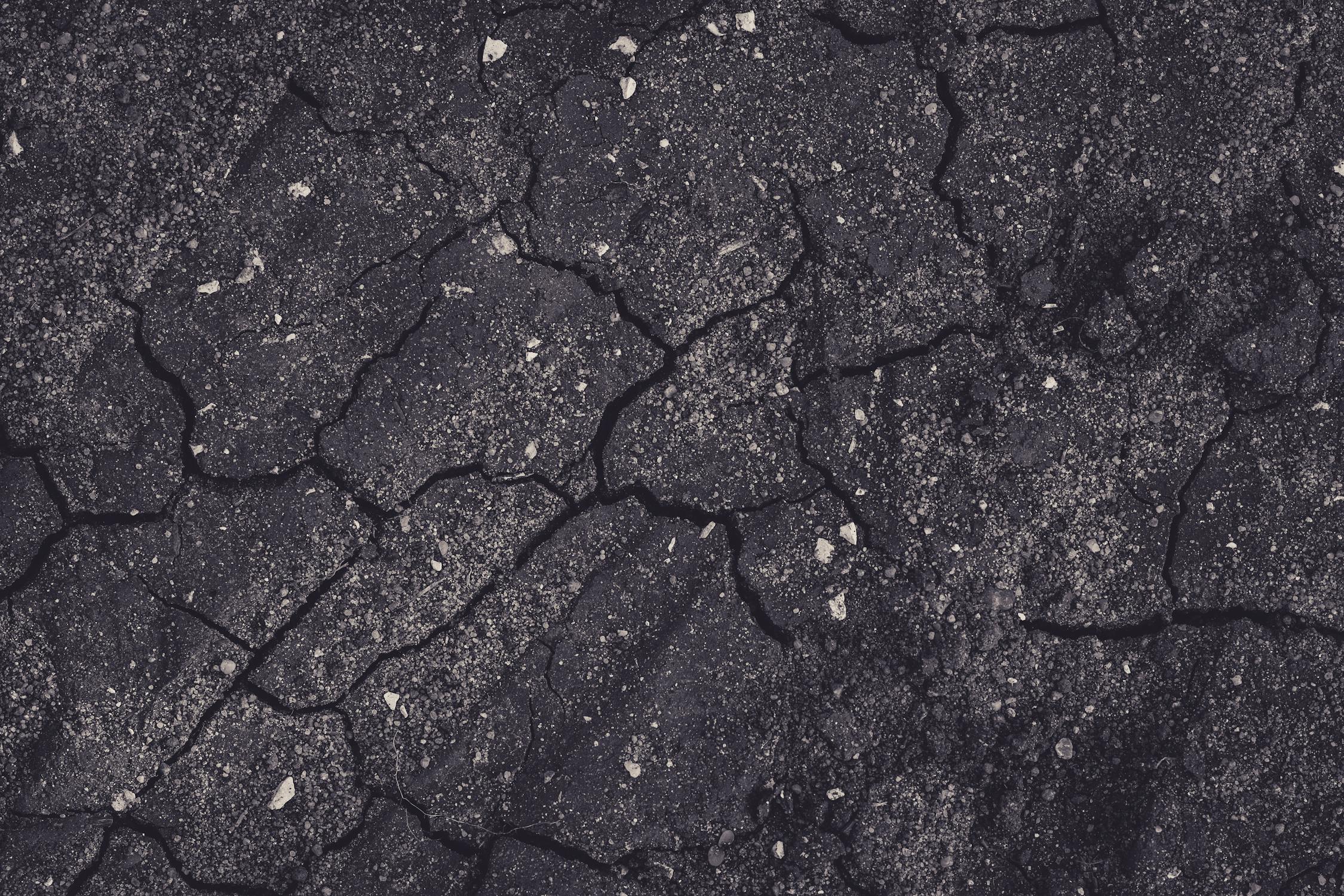
Most homeowners don’t think about their driveway until something goes wrong. Maybe you notice a crack getting wider each spring. Maybe water pools near your garage door after every rainstorm. These aren’t just cosmetic annoyances — they’re your concrete telling you something is fundamentally wrong beneath the surface.
At Gold’s Concrete Services, we’ve seen thousands of driveways across Clay County, Platte County, and the greater Northland area. Some needed simple repairs. Others needed complete concrete removal and replacement. Knowing the difference can save you thousands of dollars and years of frustration.
Why Concrete Driveway Replacement Matters More Than You Think
A study from the University of Texas at Arlington found that homes with strong curb appeal sell for an average of 7% more than comparable properties with poor exterior conditions. Your driveway makes up a significant portion of what people see when they pull up to your house. A crumbling, cracked, or sunken driveway sends the wrong message — even if the rest of your home is immaculate.
Beyond property value, there are safety concerns. Homeowners can be held liable for trip-and-fall injuries caused by damaged walkways and driveways on their property. Deep cracks, raised sections, and potholes create real hazards for family members, guests, and delivery drivers.
The Harvard Joint Center for Housing Studies reported that American homeowners spent over $603 billion on home remodeling and improvements in recent years. Exterior projects consistently deliver some of the best returns on investment. A concrete driveway replacement isn’t just maintenance — it’s a smart investment in your property.
How Long Should a Concrete Driveway Last in Kansas City?
According to Angi, a properly installed concrete driveway should last 25 to 30 years. However, several factors unique to the Kansas City area can shorten that lifespan considerably. Our region experiences roughly 107 freeze-thaw cycles per year based on NOAA climate data for the Kansas City region. Each cycle puts stress on the concrete as water seeps into pores, freezes, expands by roughly 9%, and then thaws.
Without proper specifications — like the 6% air entrainment and fiber mesh reinforcement we use in every pour — a driveway can start showing serious damage in as little as 5 to 10 years. That’s why the quality of the original installation matters so much.
If your driveway is approaching 20 years old or showing any of the signs below, it’s time to start thinking about a concrete driveway replacement rather than throwing more money at temporary repairs.
Sign 1: Deep, Widespread Cracks That Keep Coming Back
Small hairline cracks in concrete are normal and usually nothing to worry about. Concrete naturally develops minor surface cracks as it cures and settles. But when you start seeing deep cracks that span the width or length of your driveway, that’s a different story entirely.
Deep structural cracks — especially those wider than a quarter inch — typically indicate problems below the surface. Ground movement, an inadequate sub-base, tree root pressure, or years of heavy vehicle traffic can all cause this type of damage. These cracks aren’t just surface-level issues you can fill with caulk and forget about.
Here’s how to tell the difference between repairable and replacement-worthy cracks:
Repairable cracks:
- Hairline surface cracks less than 1/4 inch wide
- Isolated cracks in one or two spots
- Cracks that haven’t changed size in years
- Cracks that follow control joint lines
Replacement-worthy cracks:
- Cracks wider than 1/4 inch that keep growing
- Cracks spanning the full width of the driveway
- Multiple intersecting cracks creating a spider-web pattern
- Cracks where one side has shifted higher than the other
- Cracks that return within months after being repaired
When more than 25 to 30% of your driveway surface shows cracking, HomeAdvisor data shows that replacement is typically more cost-effective than continued repairs. The average concrete driveway repair costs around $1,803, but those costs add up quickly when you’re patching year after year. A full concrete driveway replacement averages around $6,400 — and it gives you a brand-new surface that will last decades.

Sign 2: Pooling Water and Drainage Problems
When your concrete driveway was first installed, it should have been graded to direct water away from your home and garage. Proper drainage is one of the most important aspects of a quality concrete installation. If you’re seeing water pool on the surface after a rain, something has gone wrong.
Pooling water on concrete is a bigger problem than most people realize. Standing water accelerates surface deterioration through constant freeze-thaw exposure during Kansas City winters. It can also seep under the slab, eroding the sub-base material and causing further settling and cracking.
Common causes of water pooling on concrete driveways include:
- Settling or sinking sections where the sub-base has eroded
- Improper original grading during installation
- Tree root growth pushing sections upward and creating low spots
- Soil expansion and contraction from seasonal moisture changes
If water consistently pools near your garage door or foundation, this becomes more than a driveway problem — it becomes a home protection problem. Water intrusion into your garage or basement can cause thousands of dollars in damage. The EPA recommends proper drainage around all impervious surfaces to prevent water damage and manage stormwater effectively.
While minor settling might be addressed with mudjacking or slab leveling, widespread drainage issues across multiple sections usually signal the need for a complete concrete driveway replacement with proper grading from the start.
Sign 3: Pitting, Spalling, and Surface Deterioration
Take a close look at your driveway surface. Do you see rough, pockmarked areas where the top layer of concrete has flaked away? That’s called spalling, and it’s one of the most common signs of concrete failure in the Kansas City area.
Spalling happens when moisture gets into the concrete surface, freezes, and literally pops off chips of material. Over time, small pits become larger craters, and the entire surface takes on a rough, deteriorated appearance. This isn’t just ugly — it’s exposing the inner concrete to even more moisture damage.
Several factors contribute to surface deterioration:
- Insufficient air entrainment in the original concrete mix
- Improper finishing techniques during installation
- Deicing salt applications that accelerate freeze-thaw damage
- Age-related carbonation of the concrete surface
- Lack of proper sealing and maintenance over the years
We’ve talked extensively about why we use 6% air entrainment in all our exterior concrete mixes. Those microscopic air bubbles give freezing water room to expand without damaging the concrete surface. When a driveway was poured without adequate air entrainment — or with the wrong mix design — surface deterioration is almost guaranteed within a few Kansas City winters.
If your driveway surface has become rough, pitted, and uncomfortable to walk on barefoot, that surface damage is only going to get worse. Resurfacing can sometimes help in the early stages, but once the deterioration reaches the aggregate layer beneath, a concrete driveway replacement is the only lasting solution.
Sign 4: Discoloration and Uneven Surface Erosion
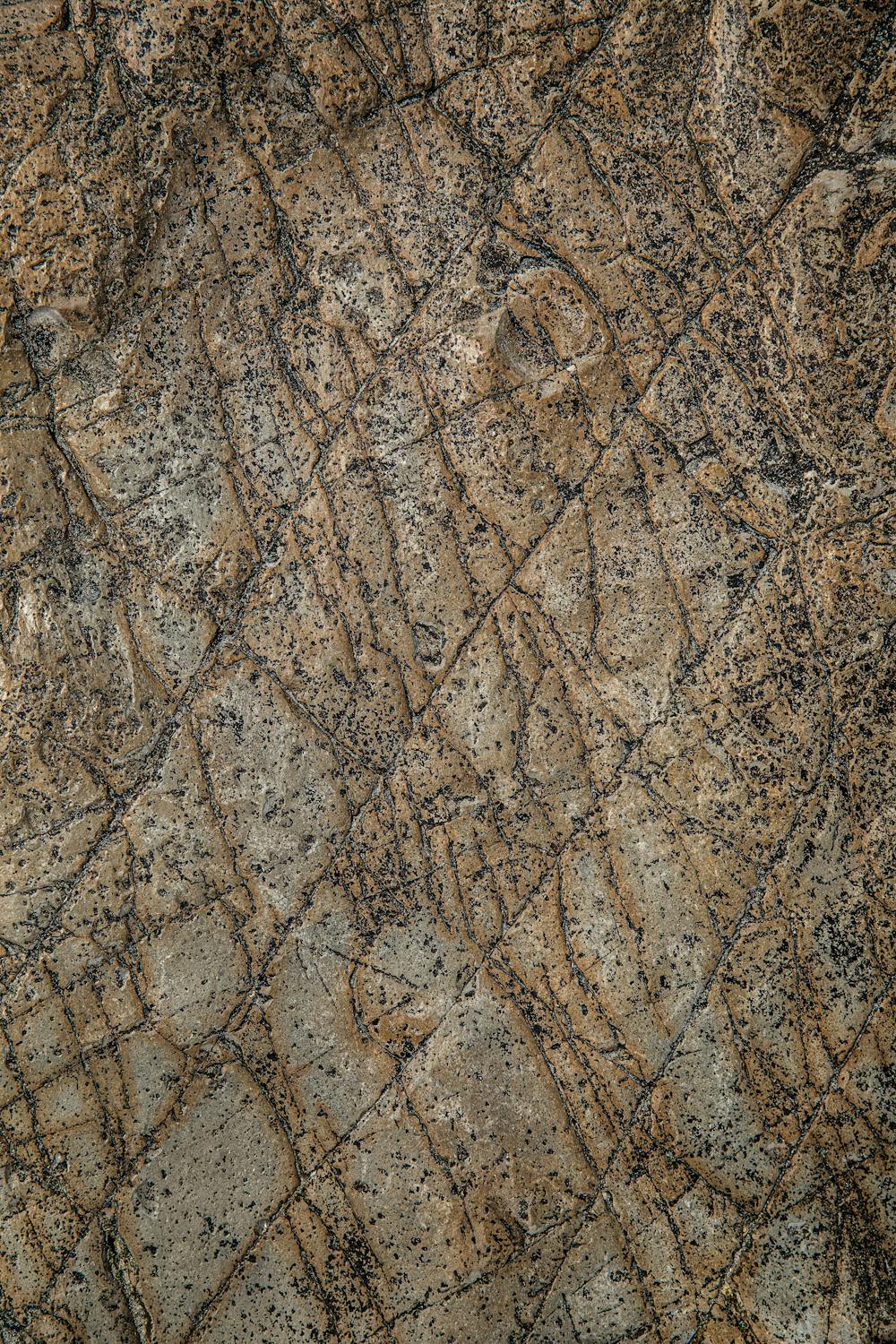
Some discoloration on concrete is normal — oil stains, rust spots, and minor color variations happen with any driveway over time. But when you see widespread, uneven color changes across large sections, that’s telling you the surface is eroding at different rates.
Uneven erosion happens when some areas of the concrete are weaker than others. This can result from inconsistent mixing during the original pour, sections that cured too quickly or too slowly, or areas that received more wear from vehicle traffic or water flow.
Signs that discoloration has crossed from cosmetic into structural territory:
- Large patches where the surface texture has changed completely
- Areas where the aggregate (gravel) is visibly exposed
- White, powdery deposits that keep returning (efflorescence indicating ongoing moisture issues)
- Dark, damp areas that never fully dry out
- Sections that have become noticeably thinner than surrounding concrete
A Today’s Homeowner survey found that roughly 60% of homeowners delay exterior repairs longer than they should. With concrete, this delay usually makes things worse. What starts as surface discoloration can progress to exposed aggregate, then crumbling edges, and eventually structural failure that requires full removal.
At Gold’s Concrete Services, when we assess a driveway for potential concrete driveway replacement, we look at the overall percentage of surface damage. If more than a third of the surface shows significant erosion or discoloration, replacement almost always makes more financial sense than trying to patch and resurface piecemeal.
Sign 5: Your Driveway Has Reached the End of Its Lifespan
Even the best-maintained concrete driveway has a finite lifespan. If your driveway is 20 to 30 years old, it may be approaching the end of its useful life — even if it still looks decent from a distance. Age-related deterioration happens from the inside out, and by the time visible damage appears on an older driveway, the internal structure may already be compromised.
But age isn’t the only factor. Maybe your driveway is structurally sound but aesthetically outdated. Concrete technology and finishing options have improved dramatically over the past two decades. Today’s concrete driveways offer cleaner lines, better control joints, improved surface textures, and specifications that deliver far superior durability.
Consider a concrete driveway replacement based on age when:
- Your driveway is over 20 years old and showing multiple signs from this list
- The concrete was originally poured without modern specifications like air entrainment or fiber reinforcement
- You’re planning to sell your home and want to maximize curb appeal
- Annual repair costs are adding up to a significant percentage of replacement cost
- The original installation used outdated techniques like saw-cut joints instead of hand-tooled control joints
Research from Clever Real Estate indicates that a new concrete driveway can add $5,000 to $20,000 in home value depending on the property and market conditions. Zonda’s 2025 Cost vs. Value Report consistently shows that exterior renovation projects deliver some of the highest returns on investment among all home improvements.
Concrete Driveway Replacement vs. Repair: Making the Right Call
One of the most common questions we hear is, “Can’t you just fix what’s there?” Sometimes, yes. But there’s a clear tipping point where continued repairs become a waste of money. Here’s a straightforward comparison to help you decide.
When repair makes sense:
- Isolated cracks in less than 25% of the total surface
- Minor surface scaling in one or two areas
- A single settled section that can be leveled
- The driveway is less than 15 years old with otherwise good condition
- The original installation used quality specifications
When concrete driveway replacement is the better investment:
- Damage covers more than 25-30% of the surface
- Multiple signs from this article are present simultaneously
- Previous repairs have failed or cracks keep returning
- The sub-base has significant erosion or settling
- Annual repair costs exceed $500-$1,000
- The driveway is approaching or past 25 years old
Think of it like a car. You can replace individual parts indefinitely, but at some point, the cost of ongoing repairs exceeds the value of just getting something new and reliable. The same logic applies to your driveway.
What Does a Quality Concrete Driveway Replacement Look Like?
If you’ve decided it’s time for a replacement, understanding the process helps you choose the right contractor. At Gold’s Concrete Services, our driveway replacement process follows a proven system we’ve refined over 35 years.
Here’s what a professional concrete driveway replacement involves:
Step 1: Complete removal of the old concrete. This includes breaking up and hauling away all existing concrete. No shortcuts — the old material has to go completely to start with a clean slate.
Step 2: Sub-base preparation. We install a minimum 2-inch compacted gravel sub-base for proper drainage and support. This step is critical. Many driveway failures trace back to inadequate sub-base preparation.
Step 3: Reinforcement installation. We place rebar on 30-inch centers, elevated to the center of the slab for maximum structural strength. We also add fiber mesh reinforcement for additional crack resistance.
Step 4: Quality concrete placement. We use 4,000 PSI concrete with 6% air entrainment — no fly ash. This specification is designed specifically for Kansas City’s freeze-thaw climate.
Step 5: Professional finishing. Hand-tooled control joints (not saw-cuts) provide better crack control. We finish the surface with proper technique and apply a professional-grade acrylic cure and seal.
The difference between a contractor who follows this process and one who skips steps can be the difference between a driveway that lasts 30+ years and one that starts failing within 5.
How Kansas City Weather Impacts Your Concrete Driveway Decision
Kansas City’s climate is uniquely harsh on concrete. We don’t just get cold winters — we get dramatic temperature swings that cycle above and below freezing constantly throughout the winter months. NOAA data shows our area averages around 107 days per year where temperatures cross the freezing threshold. That’s 107 opportunities for water in your concrete to freeze, expand, and cause damage.
Spring brings its own challenges with heavy rains that can erode damaged sub-bases and introduce more moisture into existing cracks. Summer heat can cause thermal expansion issues on already-compromised slabs. Fall typically brings a window of ideal conditions for new concrete work, which is why we see a lot of homeowners scheduling their concrete driveway replacement projects during September through November.
If you’re noticing damage accelerating after each winter season, that’s a strong indicator that your concrete has reached a point where repairs won’t hold. Each freeze-thaw cycle makes existing damage worse, and weather conditions during the original installation may have contributed to the current problems.
Choosing the Right Contractor for Your Concrete Driveway Replacement
Not all concrete contractors approach replacement work the same way. When you’re investing in a new driveway, asking the right questions can save you from repeating the same problems. Here’s what to look for when evaluating concrete contractors in the Kansas City area.
Ask these questions before hiring anyone:
- What PSI rating and air entrainment percentage do you specify in your mix?
- Do you use rebar, wire mesh, fiber mesh, or some combination?
- What’s your sub-base preparation process?
- Do you hand-tool your control joints or saw-cut them?
- How long have you been working specifically in the Kansas City area?
- Can you show me examples of driveways you poured 10 or more years ago?
A contractor who understands Kansas City’s specific climate challenges will have specifications designed for our conditions — not generic mixes that work fine in milder climates. At Gold’s Concrete Services, our specifications have been tested through 35 Kansas City Northland winters. That’s something you can’t fake or shortcut.
Don’t Wait Until Spring: Planning Your Concrete Driveway Replacement
Today’s Homeowner reports that approximately 60% of homeowners delay exterior repairs longer than they should. With concrete, waiting almost always means the job gets bigger and more expensive. A driveway showing early signs of failure in fall will look significantly worse after a Kansas City winter.
Smart planning means getting assessments done before the busy spring season. Our schedule fills up quickly from March through November, and homeowners who reach out early get priority scheduling and more flexibility on timing.
The American Concrete Institute recommends professional evaluation when concrete surfaces show signs of distress beyond normal wear. A qualified contractor can tell you definitively whether your driveway needs repair, resurfacing, or complete replacement.
What Your Patio Is Telling You Too
Everything we’ve discussed about driveways applies equally to your concrete patio, sidewalks, and steps and stairs. These surfaces face the same Kansas City weather challenges and show the same warning signs when they need replacement.
In fact, patios can sometimes deteriorate faster than driveways because they’re often in areas with less direct sunlight, which means moisture lingers longer and freeze-thaw cycles hit harder. If your patio shows any of these five signs, the same replacement logic applies.
Many homeowners choose to replace their driveway and patio at the same time. This approach often saves money on mobilization and concrete delivery costs, and it ensures consistent specifications and appearance across all your exterior concrete surfaces.
Frequently Asked Questions About Concrete Driveway Replacement
How much does concrete driveway replacement cost in Kansas City?
The average concrete driveway replacement in the Kansas City area runs between $5,000 and $10,000, depending on size, access, and removal requirements. HomeAdvisor reports the national average at around $6,400. Get a free estimate for your specific project.
How long does a concrete driveway replacement take?
Typical residential driveway replacement takes 2 to 4 days — one day for removal, one day for sub-base preparation, and one to two days for forming and pouring. You’ll want to stay off the new concrete for at least 7 days and avoid parking on it for 28 days to allow full curing.
Can I just resurface my concrete driveway instead of replacing it?
Resurfacing works when the underlying concrete is structurally sound but the surface is worn. If you’re dealing with deep cracks, settling, drainage issues, or sub-base problems, resurfacing won’t fix the root cause. A qualified contractor should evaluate whether resurfacing is appropriate for your situation.
What’s the best time of year for concrete driveway replacement in Kansas City?
The ideal window is late spring through early fall — roughly April through October — when temperatures consistently stay above 50°F. Fall projects especially benefit from moderate temperatures and lower humidity, which create optimal curing conditions for long-term durability.
Does a new driveway increase home value?
Yes. Clever Real Estate research shows a new concrete driveway can add $5,000 to $20,000 in home value. The National Association of Realtors reports that 97% of real estate agents consider curb appeal important for home sales, and your driveway is a major component of that first impression.
What specifications should I look for in a replacement driveway?
For Kansas City’s climate, look for 4,000 PSI concrete with 6% air entrainment, fiber mesh reinforcement, rebar on 30-inch centers, a minimum 2-inch compacted gravel sub-base, and hand-tooled control joints. These specifications are what Gold’s Concrete Services uses on every exterior pour.
How do I know if my driveway needs repair or full replacement?
Generally, if damage covers more than 25-30% of the surface, repairs keep failing, or the driveway is over 20 years old with multiple issues, replacement makes more financial sense. A professional assessment from an experienced concrete contractor can help you make the right decision.
Protect Your Investment With the Right Concrete Driveway Replacement
Your driveway and patio are more than just functional surfaces — they’re integral parts of your home’s value, safety, and curb appeal. Recognizing these five warning signs early helps you plan proactively rather than scrambling to deal with a complete failure.
At Gold’s Concrete Services, we’ve been helping Kansas City Northland homeowners make smart decisions about their concrete for over 35 years. Whether your driveway needs a simple repair or a full concrete driveway replacement, we’ll give you an honest assessment and a fair price. Our family-owned, veteran-owned business is built on doing the job right — with specifications designed specifically for our Kansas City climate.
Ready to find out if it’s time for a new driveway? Contact Gold’s Concrete Services today at (816) 300-1563 for a free, no-obligation assessment. We’ll walk your property, evaluate the condition of your concrete, and give you a straightforward recommendation — no pressure, no upsell.
Gold’s Concrete Services — Proudly serving the Kansas City Northland since 1989. Licensed, insured, family and veteran owned.