
8 Proven Seasonal Steps That Save Your Concrete Thousands
A properly maintained concrete driveway can last 25 to 50 years, while a neglected one may start failing in as little as 10 to 15 years. That’s a difference worth paying attention to. The Portland Cement Association reports that properly sealed concrete can last up to 50% longer than unsealed surfaces in harsh climates — and Kansas City’s climate definitely qualifies as harsh. If you’ve recently invested in a new concrete driveway or patio, understanding concrete driveway maintenance is the key to protecting that investment for decades.

At Gold’s Concrete Services, we’ve been pouring and maintaining concrete across the Kansas City Northland for over 35 years. We’ve seen driveways we poured in the 1990s that still look great today — and we’ve seen driveways from other contractors that failed within a decade. The difference almost always comes down to two things: the quality of the original installation and consistent annual maintenance.
This guide breaks down everything you need to know about keeping your concrete driveway and patio in top condition, organized by season so you can tackle each task at the right time of year.
Why Concrete Driveway Maintenance Matters in Kansas City
Kansas City sits in a climate zone that’s particularly tough on concrete. According to US Climate Data based on NOAA normals, our area averages 39 inches of annual precipitation, 12 inches of snowfall, and 26 days per year where the temperature never rises above freezing. Those numbers add up to serious stress on any exterior concrete surface.
The real killer is freeze-thaw cycling. When water seeps into the pores and small cracks of your concrete, freezes, and expands by about 9%, it creates internal pressure that slowly breaks the material apart from the inside out. Without proper concrete driveway maintenance, this cycle repeats dozens of times every winter.
We’ve talked about how our 6% air entrainment specification and fiber mesh reinforcement give your concrete the best possible foundation to resist this damage. But even the best concrete needs regular care to perform at its peak. Think of maintenance like oil changes for your car — the engine might be built perfectly, but skip the oil changes and it won’t last.
How Much Does Annual Upkeep Cost vs. Full Replacement?
Let’s talk numbers, because the math makes a compelling case for regular maintenance. According to Concrete Network, sealing your driveway yourself costs roughly $0.50 to $0.75 per square foot. For a typical two-car driveway of about 640 square feet, that’s $320 to $480. Even hiring a professional to seal it runs only $1 to $2 per square foot — around $640 to $1,280.
Compare that to the cost of replacement. A full concrete driveway replacement in Kansas City runs $8 to $18 per square foot, or roughly $3,200 to $13,000 for a typical driveway. When you look at those numbers, spending a few hundred dollars every couple of years on concrete driveway maintenance is one of the smartest investments you can make.
A Frontdoor survey of nearly 1,000 homeowners found that 19% of Americans have damaged their homes through maintenance neglect, averaging $840 in avoidable repair costs. Don’t be part of that statistic. A little prevention goes a long way.
Spring Season: Inspection and Cleaning (March Through May)
After a Kansas City winter, spring is when you assess how your concrete held up and get it cleaned up for the warm months ahead. This is the most important season for catching problems early.
Step 1: Complete a Thorough Visual Inspection
Walk your entire driveway and patio slowly on a dry, sunny day. Look for these specific issues:
- New cracks that appeared over winter — note their length, width, and location
- Areas of surface scaling or flaking where the top layer has popped off
- Spots where the concrete has settled or shifted, creating uneven sections
- Staining from deicing products, oil, or other materials
- Edges that have chipped or crumbled
- Joint sealant that has dried out, cracked, or pulled away from the joint edges
Document what you find. Take photos so you can compare year over year. Small cracks that stay the same size are normal. Cracks that grow significantly each year are a warning sign that something more serious is going on beneath the surface. If you’re seeing signs that it’s time for replacement, catching them early gives you time to plan and budget.
Step 2: Spring Cleaning Your Concrete
Kansas City’s spring rains naturally help wash away some surface dirt, but your driveway needs more than a rinse. Here’s the right way to clean concrete:
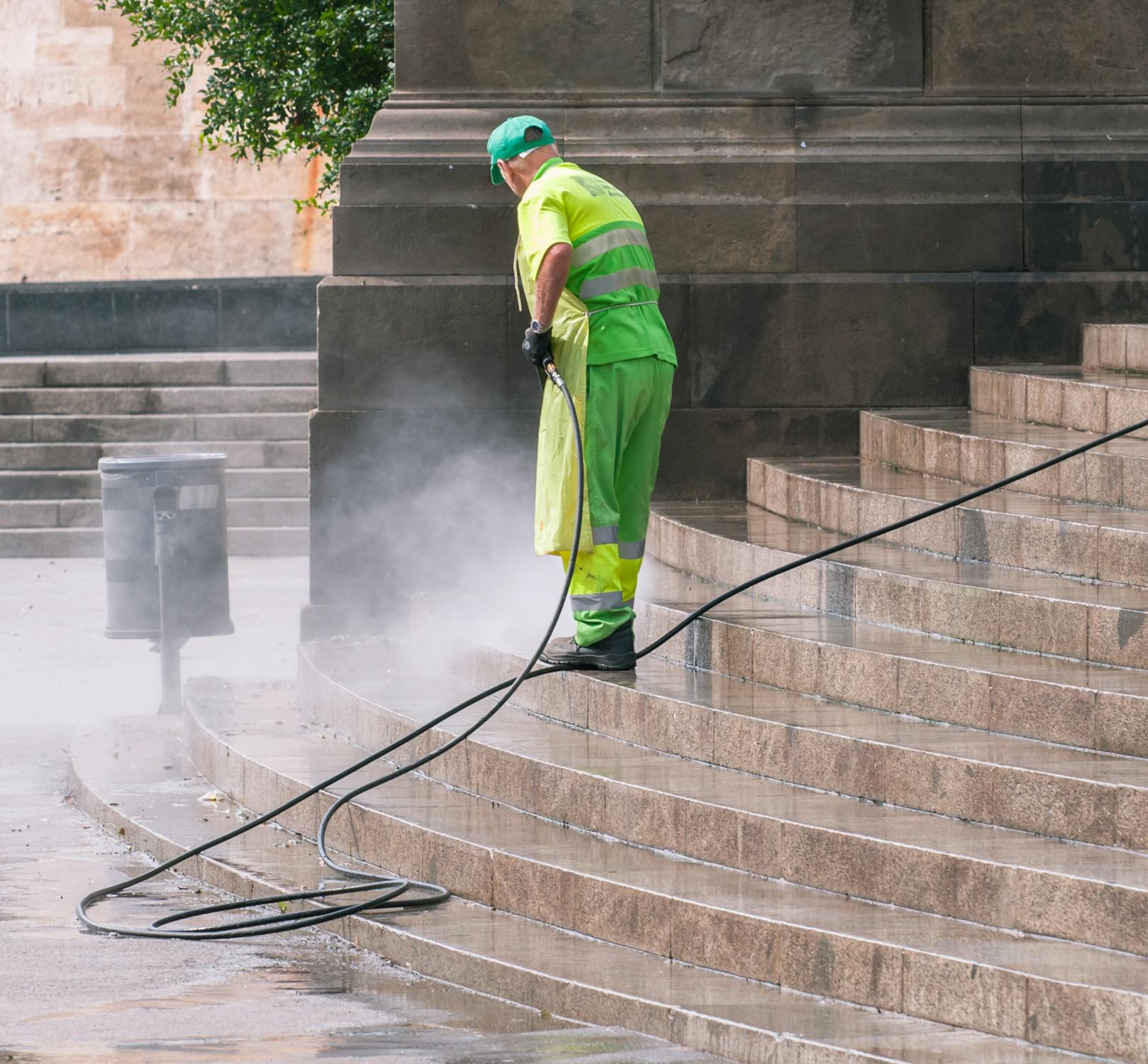
For general cleaning: Use a pressure washer set between 2,500 and 3,000 PSI. This is strong enough to remove embedded dirt, mildew, and light stains without damaging the concrete surface. If you don’t own a pressure washer, renting one costs roughly $40 to $100 per day according to Concrete Network pricing data.
For stubborn stains: Apply a concrete-specific cleaner before pressure washing. Avoid muriatic acid or harsh chemicals that can etch and damage the surface. For oil stains, a degreaser applied and allowed to soak for 15 to 20 minutes before scrubbing with a stiff bristle brush works best.
For mildew or algae: Shaded areas of your patio or sidewalks may develop green or black growth. A mixture of one part household bleach to ten parts water, applied with a garden sprayer and scrubbed with a stiff brush, usually handles this effectively.
Always clean before sealing. Sealer applied over dirt or contaminants won’t bond properly and will peel off, wasting your time and money.
Summer Season: Sealing and Protection (June Through August)
Summer’s warm, dry weather creates the ideal conditions for sealing — the single most important concrete driveway maintenance task you can perform. Concrete Network recommends resealing your driveway every 2 to 3 years in harsh climates like Kansas City’s, or every 5 years in milder regions.
Step 3: Apply a Quality Concrete Sealer
Sealing creates a protective barrier that prevents water, salt, oil, and other contaminants from penetrating the concrete surface. Here’s how to do it right:
Choose the right sealer. For exterior concrete in Kansas City, we recommend an acrylic-based cure and seal product. These provide good protection without trapping moisture inside the concrete, which is critical in our freeze-thaw climate. Avoid cheap, thin sealers — they don’t provide adequate protection.
Check the weather. Apply sealer when temperatures will stay between 50°F and 90°F for at least 24 hours, with no rain in the forecast. Early to mid-summer typically offers the most consistent conditions.
Prepare the surface. The concrete must be completely clean and dry. If you pressure washed in spring, wait at least 24 to 48 hours for the concrete to dry thoroughly before applying sealer.
Apply evenly. Use a paint roller or pump sprayer to apply a thin, even coat. Two thin coats are better than one thick coat. Allow the first coat to dry completely (typically 2 to 4 hours) before applying the second.
Stay off it. Keep foot traffic off the sealed surface for at least 24 hours and vehicle traffic off for 48 to 72 hours. This gives the sealer time to fully cure and bond with the concrete.
One important note — don’t over-seal. Applying sealer too frequently can cause buildup that actually traps moisture and leads to peeling. Stick to the 2 to 3 year cycle for Kansas City conditions.
Step 4: Address Summer Stain Prevention
Summer means more activity on your driveway and patio. Grilling, car maintenance, lawn equipment, and outdoor entertaining all create opportunities for stains. Keep these tips in mind:
- Place a mat under your grill to catch grease drips
- Clean oil drips from vehicles as soon as possible — the longer they sit, the deeper they penetrate
- Use a drip pan when changing oil or working on vehicles
- Move potted plants periodically to prevent rust rings from drainage trays
- Clean up fertilizer spills immediately, as they can discolor concrete
Fall Season: Crack Repair and Winter Prep (September Through November)
Fall is your last chance to address any damage before winter hits. The fall prep work you do now directly impacts how well your surfaces survive the next four to five months of freeze-thaw cycling.
Step 5: Repair Small Cracks Before Winter
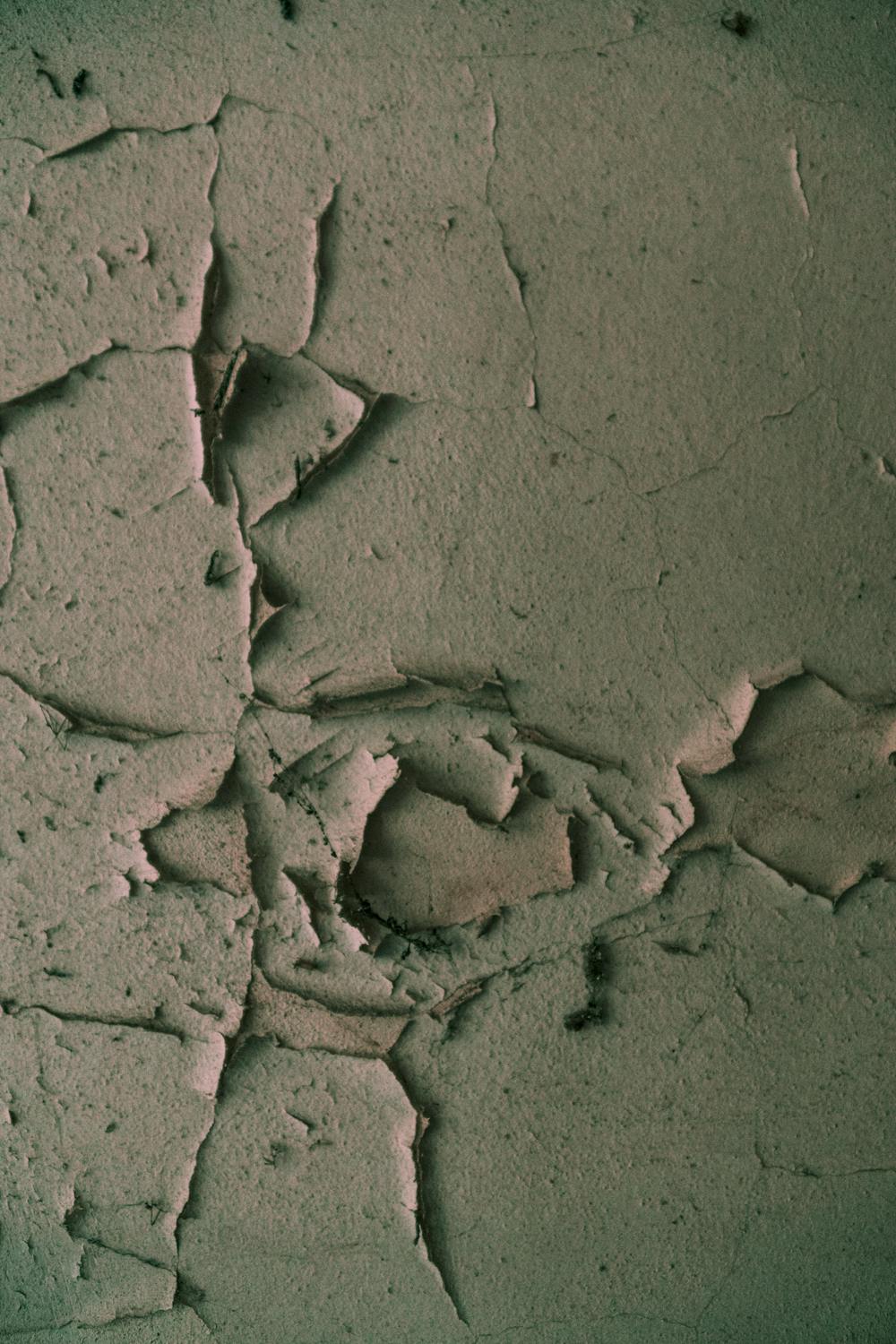
Remember those cracks you documented during your spring inspection? Now is the time to fix them. Repairing cracks in fall prevents water from seeping in, freezing, and making the damage worse over winter.
For hairline cracks (less than 1/4 inch wide): Use a concrete crack filler or caulk designed for exterior use. Clean out the crack with a wire brush, remove any loose material, and apply the filler according to the manufacturer’s directions. Most products can be applied directly from a caulk gun.
For cracks 1/4 to 1/2 inch wide: Use a concrete patching compound. Clean the crack, dampen it slightly, and press the compound firmly into the crack. Smooth the surface with a putty knife or trowel and allow it to cure fully before winter.
For cracks wider than 1/2 inch: These may indicate deeper structural issues. Contact a professional for evaluation. At Gold’s Concrete Services, we can assess whether a crack needs professional repair or indicates a more serious problem that might require removal and replacement.
Step 6: Clear Leaves and Organic Debris
Kansas City’s beautiful fall foliage creates a maintenance task many homeowners overlook. Leaves left sitting on concrete can cause tannin stains — those dark, tea-colored marks that are surprisingly difficult to remove once they set in.
Sweep or blow leaves off your concrete surfaces at least weekly during peak leaf-fall season. Pay special attention to areas where leaves accumulate against walls, steps, and edges. If tannin stains have already formed, a mild detergent and stiff brush scrubbing usually does the trick when addressed promptly.
Don’t forget to check and clear your garage floor expansion joints and drainage pathways. Leaves and debris blocking these areas can lead to water backup that damages both the concrete and your home’s foundation.
Step 7: Check Drainage and Grading
Before the ground freezes, verify that water still flows properly away from your home and off your concrete surfaces. Walk your driveway during a rainstorm and watch where water goes. It should sheet off to the sides and away from your garage and foundation — never toward them.
The EPA recommends proper drainage management around all impervious surfaces like driveways and patios to prevent water damage and reduce stormwater runoff. If you notice water pooling or flowing toward your home, address the grading issue before winter. Frozen standing water against your foundation can cause serious damage.
Winter Season: Protection and Smart Snow Removal (December Through February)
Winter is when your concrete faces its toughest test. The care decisions you make during these cold months can mean the difference between a surface that emerges in spring looking great and one that’s suffered significant damage.
Step 8: Smart Snow and Ice Management
This is where we see the most homeowner mistakes. The wrong approach to snow and ice removal can cause more damage than the weather itself.
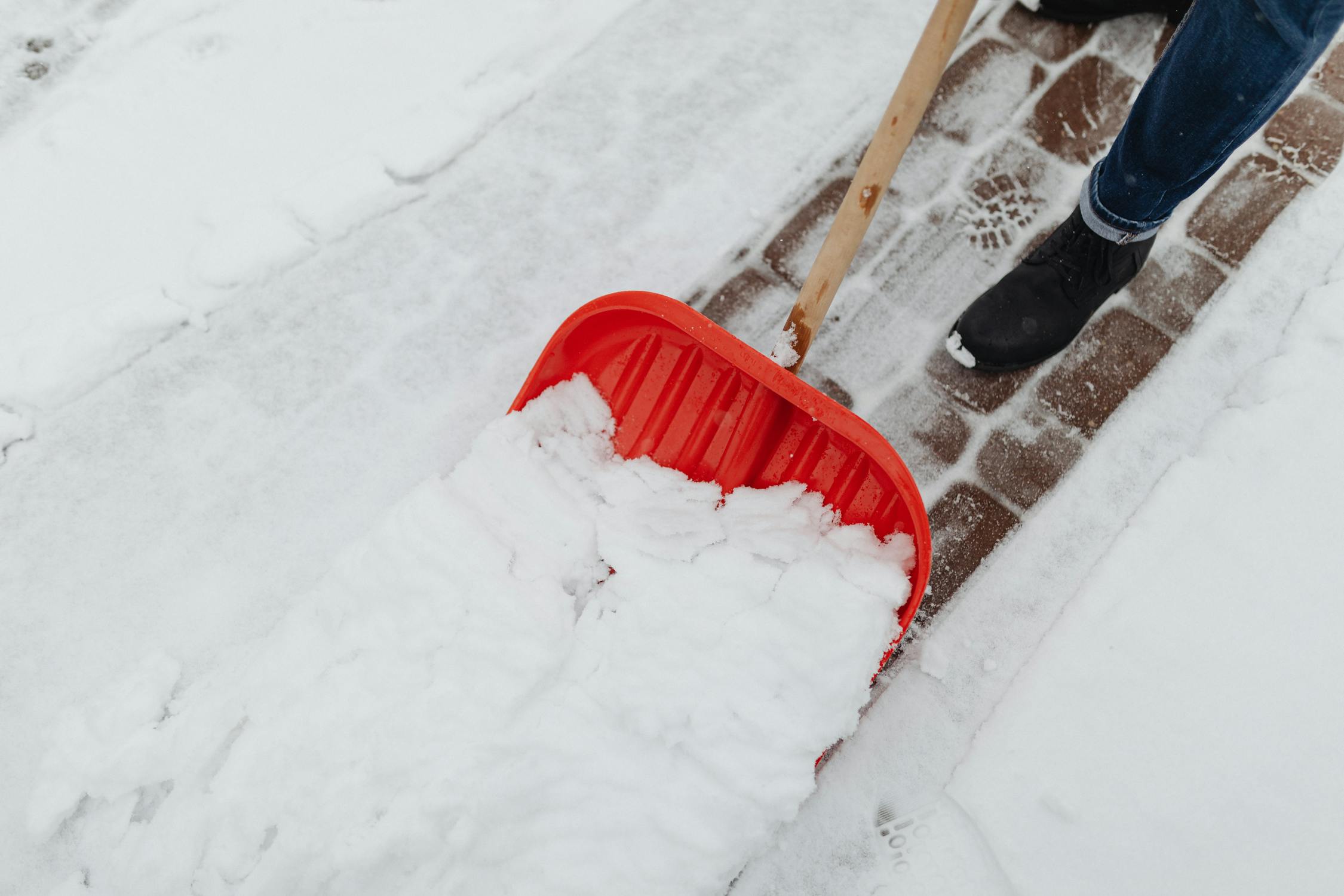
Use a plastic shovel, never metal. Metal shovels and blades can scratch and chip the concrete surface, creating new entry points for water. A quality plastic snow shovel removes snow just as effectively without risking surface damage.
Avoid deicing salts on concrete. This is critical. According to the Federal Highway Administration, deicing chemicals cause both physical and chemical damage to concrete surfaces. The University of Minnesota Extension reports that salt-infused concrete can hold significantly more water, creating even more destructive freeze-thaw pressure. Just 12 ounces of salt is enough to treat a 20-foot driveway — and one teaspoon of salt pollutes 5 gallons of water.
What to use instead of salt:
- Sand for traction on icy patches — it doesn’t damage concrete
- Kitty litter (non-clumping) for temporary traction
- Calcium magnesium acetate (CMA) if you need a chemical deicer — it’s the least damaging option for concrete
Never use ammonium nitrate or ammonium sulfate on concrete. These fertilizer-based deicers are extremely damaging and can cause rapid surface deterioration.
Remove snow promptly. Don’t let snow sit on your concrete for days. The longer snow sits, the more melt water seeps into the surface. When temperatures drop again, that water freezes and causes damage. Try to clear your driveway within 24 hours of a snowfall.
One more important point for new concrete: if your driveway was poured recently, the FHWA recommends waiting a minimum of 30 days before applying any deicing product. New concrete needs time to cure and develop its full strength and resistance. For a driveway poured in late fall, that means avoiding all deicers for the entire first winter. Use sand only.
Year-Round Care Tips for Your Concrete Surfaces
Some maintenance tasks don’t fit neatly into one season. Keep these habits going all year long:
Clean spills immediately. Oil, grease, gasoline, and chemical spills should be cleaned up as soon as they happen. The longer a spill sits on concrete, the deeper it penetrates and the harder it becomes to remove.
Avoid heavy loads on edges. Concrete driveway edges are the most vulnerable to chipping and cracking. Keep heavy vehicles like moving trucks or dumpsters off the edges. If a heavy delivery is coming, place boards under the wheels to distribute the weight.
Don’t park on new concrete too soon. If your driveway was recently poured, stay off it for at least 7 days for foot traffic and 28 days for vehicle traffic. Full concrete strength develops over this curing period. Parking on it too soon can cause surface damage and reduce long-term durability.
Watch for tree root problems. Tree roots growing under your driveway can cause lifting, cracking, and shifting over time. If you notice sections of concrete rising or developing new cracks near trees, have the root situation assessed before the damage gets worse.
How Proper Installation Makes Long-Term Care Easier
Everything about maintenance is easier when the concrete was installed correctly in the first place. At Gold’s Concrete Services, our installation specifications are specifically designed for Kansas City’s climate, which means less maintenance hassle for you down the road.
Our standard specifications include:
- 4,000 PSI concrete with 6% air entrainment — those microscopic air bubbles give freezing water room to expand without damaging the surface
- Fiber mesh reinforcement — reduces surface cracking that leads to water penetration
- Rebar on 30-inch centers elevated to the center of the slab — structural strength that prevents settling and shifting
- 2-inch compacted gravel sub-base — proper drainage prevents water from pooling under the slab
- Hand-tooled control joints — better crack control than saw-cuts, reducing the number of places water can enter
- Professional-grade acrylic cure and seal — your first coat of protection is applied on day one
When your concrete has these specifications, your annual maintenance routine becomes straightforward — clean it, seal it on schedule, fix small cracks promptly, and be smart about winter care. That’s it.
Creating Your Annual Concrete Driveway Maintenance Schedule
A Frontdoor survey found that 41% of homeowners rely solely on memory for maintenance scheduling, and 54% feel burnt out by home maintenance altogether. Don’t let your concrete fall into the forgotten category. Here’s a simple annual calendar you can follow:
March: Spring inspection — walk the entire surface and document any new damage
April: Spring cleaning — pressure wash at 2,500 to 3,000 PSI once temperatures are consistently above 50°F
June or July: Seal your concrete (every 2-3 years) — choose a dry week with temperatures between 50°F and 90°F
September: Fall crack repair — fill any cracks found during spring inspection before winter
October: Leaf removal — keep leaves off concrete weekly during peak fall season
November: Drainage check — verify water flows away from your home during a rainstorm
December through February: Winter protection — use sand instead of salt, shovel with plastic, remove snow promptly
Set calendar reminders for each task. Taking these seasonal tasks out of your memory and into your calendar means it actually gets done.
When to Call a Professional for Concrete Maintenance
Most concrete driveway maintenance tasks are well within a homeowner’s ability. But some situations call for professional help. Contact a concrete contractor when you encounter:
- Cracks wider than 1/2 inch or cracks that are actively growing
- Sections that have settled or shifted more than 1/4 inch
- Widespread surface scaling or spalling across large areas
- Drainage problems that are directing water toward your foundation
- Multiple signs that replacement may be needed
- Any structural concerns about steps, walls, or elevated surfaces
A professional assessment can save you money in the long run by identifying whether a repair will hold or whether you’re better off planning for replacement. We’ve seen too many homeowners spend hundreds on repairs year after year, only to need a full replacement anyway.
Frequently Asked Questions About Caring for Your Concrete
How often should I seal my concrete driveway in Kansas City?
In Kansas City’s climate, seal your concrete driveway every 2 to 3 years. Concrete Network recommends this frequency for harsh climates with significant freeze-thaw cycling. Don’t over-seal — applying sealer too frequently causes buildup and peeling.
Can I use rock salt on my concrete driveway?
We strongly recommend against it. The Federal Highway Administration and University of Minnesota Extension both document how deicing salts cause physical and chemical damage to concrete. Use sand for traction instead. If you must use a chemical deicer, calcium magnesium acetate (CMA) is the least damaging option.
What’s the best pressure washer setting for cleaning concrete?
Use 2,500 to 3,000 PSI for effective concrete cleaning. Lower pressure won’t remove embedded dirt and stains. Higher pressure risks damaging the surface, especially on older or previously damaged concrete. Keep the nozzle 6 to 12 inches from the surface and use a 25-degree fan tip.
How soon after pouring can I start maintaining my new concrete driveway?
Wait at least 28 days before applying any sealer or performing maintenance on new concrete. We apply a professional cure and seal on day one, so your initial protection is already in place. Your first maintenance sealing should happen roughly 2 years after installation.
Does regular upkeep really extend your driveway’s lifespan?
Yes, significantly. Industry data shows that maintained concrete can last 25 to 50 years, while neglected concrete may fail in 10 to 15 years. The Portland Cement Association reports that sealed concrete lasts up to 50% longer than unsealed surfaces. In Kansas City’s climate, that difference is even more pronounced.
What should I do if I find a large crack during my spring inspection?
For cracks wider than 1/2 inch, contact a professional rather than attempting a DIY repair. Large cracks can indicate sub-base failure, ground movement, or structural issues that surface patching won’t solve. Request a free assessment to determine whether repair or replacement is the better option.
Is the care routine different for patios and sidewalks?
The same maintenance principles apply to all exterior concrete — patios, sidewalks, steps, and garage floors. Patios in shaded areas may need more frequent cleaning due to mildew growth, and sidewalks in high-traffic areas may need sealing slightly more often.
Protect Your Concrete Investment With Smart Annual Maintenance
Your concrete driveway and patio represent a significant investment in your home’s value, safety, and curb appeal. A University of Texas at Arlington study found that homes with strong curb appeal sell for 7% more than comparable properties. Concrete driveway maintenance is how you protect that premium.
The annual maintenance routine we’ve outlined isn’t complicated or expensive. A few hours of work each season — inspection, cleaning, sealing, crack repair, and smart winter care — can double the effective lifespan of your concrete surfaces. That’s thousands of dollars saved over the life of your home.
At Gold’s Concrete Services, we don’t just pour concrete and walk away. We want every driveway, patio, and sidewalk we install to last for decades. That’s why we build durability into every pour with our specifications, and it’s why we share maintenance guidance like this with every customer.
Have questions about maintaining your concrete? Need a professional assessment of your driveway’s condition? Contact Gold’s Concrete Services today at (816) 300-1563. We’re happy to help you keep your concrete looking great for years to come.
Gold’s Concrete Services — Proudly serving the Kansas City Northland since 1989. Licensed, insured, family and veteran owned.